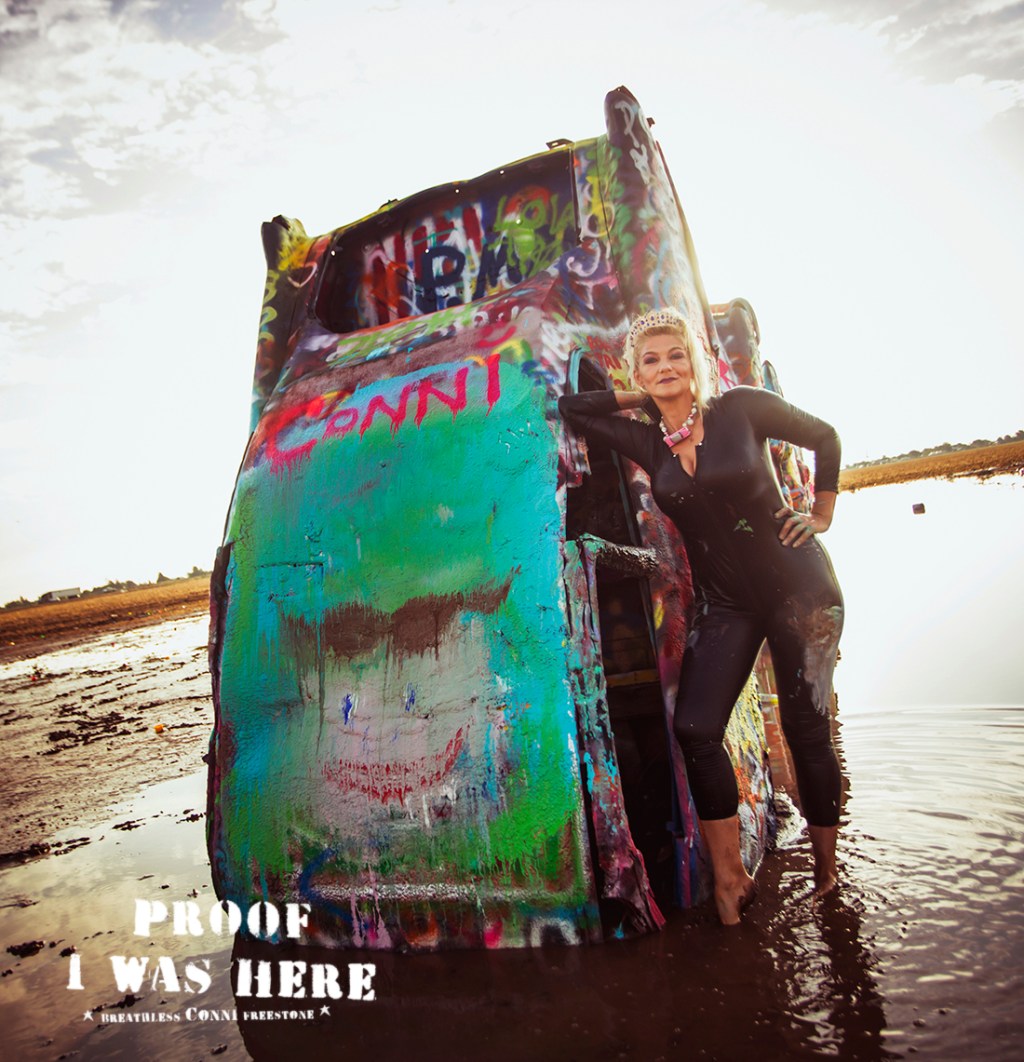
Every photograph is, in some way, an act of preservation. For photographer Conni Freestone, whose camera has captured everything from sweaty club shows and wrinkled bulldog faces to classic cars and the changing landscape of Asbury Park, photography has always been about proving a moment existed before it didn’t.
That philosophy became the foundation of Proof I Was Here, her most recent exhibition that explored memory, change, and the deeply human urge to leave evidence that we were, in fact, here. On view throughout June at the Ocean County Artists’ Guild in Island Heights, New Jersey, Freestone’s exhibition displayed themes of impermanence and personal history through photographs that encapsulate the people, places, and passions that have shaped her life.
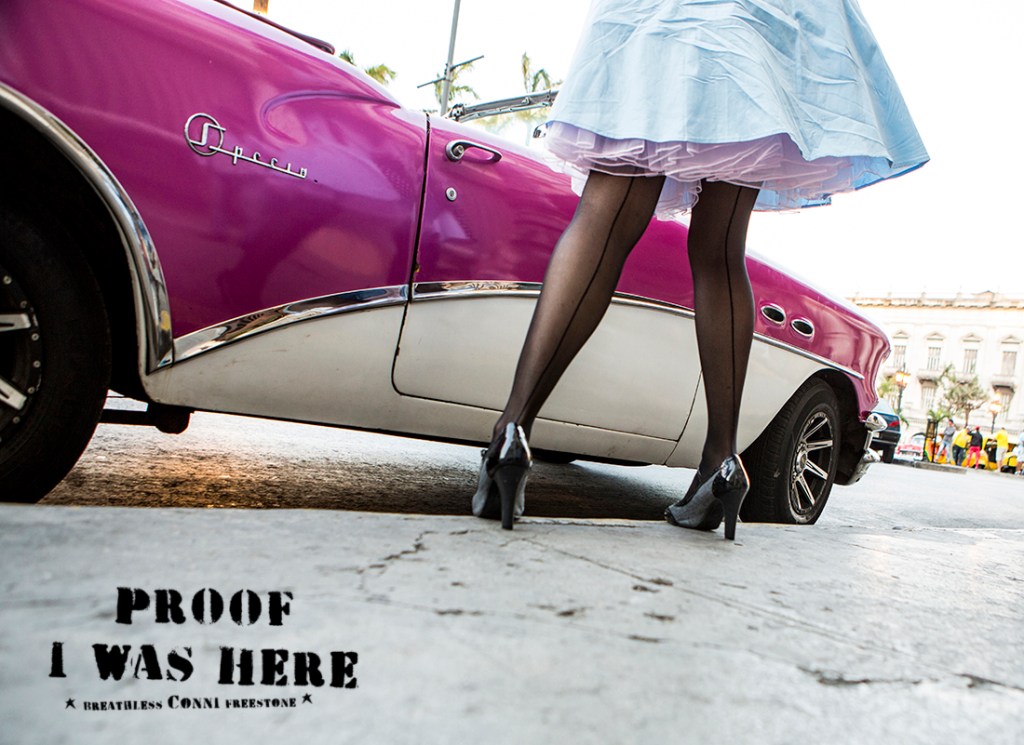
In many ways, the exhibition traced back to Freestone’s earliest experience behind a camera at a car show with her father, when he handed her his camera and offered the only piece of photographic advice she would ever need: “Get low.”
“Growing up, my parents always had old photo albums that I loved looking through, and my dad always had a camera. Apparently, his dad always had a camera, too,” Freestone laughed. “We used to go to a lot of car shows, and the first time we went to an AACA (Antique Automobile Club of America) car show, it meant a lot to my dad. He wanted pictures of the other cars in his class so he could compare them to his own, of course, but he felt weird taking them himself, so he handed me his camera.”
But Freestone didn’t begin carrying a camera everywhere until she was 15 years old—a habit that has since become inseparable from her identity.
“A friend of mine won tickets to a concert, but neither of our parents would take us. Later, we were at the mall and happened to see a guy from the band. I ended up paying about $20 for a disposable camera so I could take a picture with him, but it didn’t turn out. From that day forward, I started carrying a camera with me,” she recalled.
Freestone’s love of music soon became one of the driving forces behind her photography. Growing up reading Rolling Stone magazine before the rise of social media, she became fascinated by the power of music photography and the way a single image could define an artist or an era. “There was no social media, so when you saw photos of musicians you liked, every photo felt iconic,” she remembered. That fascination eventually evolved into photographing local bands herself, with the hope that one compelling image could inspire someone else to discover the music she loved.
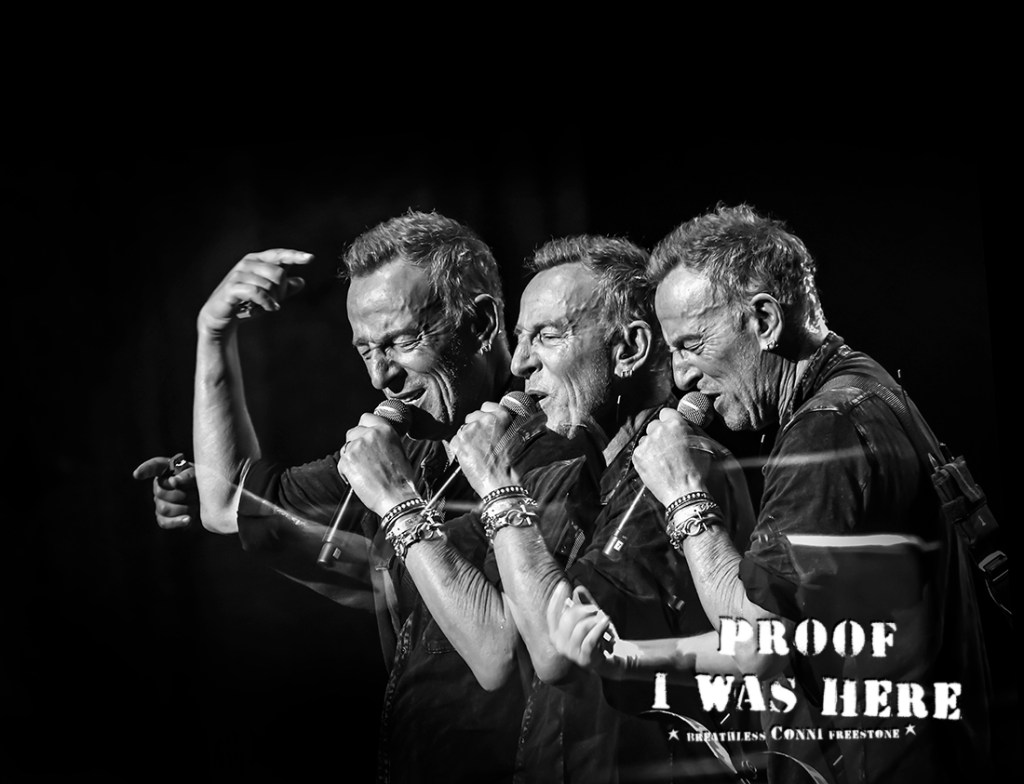
Perhaps no place embodies Freestone’s philosophy more than Asbury Park. For her, the city’s appeal extends far beyond its association with Bruce Springsteen.
“It’s not just Bruce Springsteen,” she said. “There is such a vibrant music community there. There’s something that just draws people to Asbury Park. There is a weird kind of magic there.”
That same resistance to defining a place by a single identity mirrors Freestone’s own approach to photography. After capturing more than a million images over the course of her career, she has struggled with the industry’s insistence that artists must “niche down.”
“Everyone always says to ‘niche down,’ and honestly, I don’t want to. Proof I Was Here is an overarching description of everything I’ve photographed,” Freestone said. “I have concerts, cars, and bulldogs, but that doesn’t encompass everything I photograph. I also love Americana, roadside trash, and editorial photography. I love shooting parties where people are having fun, and I want people to feel pretty. I want to take every photo that appeals to me, and that’s what Proof I Was Here means.”
At its core, Freestone’s photography is not just about documenting subjects but preserving moments before they disappear.
“A lot of what I shoot is about capturing something in its current state, knowing that it’s going to change,” Freestone explained. “Like Asbury Park and old cars—always changing. You can see something one day, and the next day it’s sitting on the side of the road waiting for someone to restore it. Then, a year later, it’s beautiful. And then two years after that, it gets wrecked.”
One room in Freestone’s exhibit was even dedicated to her 2020 trip down Route 66; a trip Freestone had always wanted to take became a time capsule of her life at that point. “In 2020, I took a road trip because my friend was getting married in Utah, and I wanted to drive there,” she said. “I found out Route 66 was along the way, and I’d always wanted to drive it in an old convertible. Instead, I used my Ford Escape.”
“My original goal was to take 66 self-portraits, but instead, it became about 350 pages of photographs,” she admitted. “A lot of my photos are from years ago, and this title has helped me start processing those images. It’s a good indicator of I Was Here, but now things are really different.” Those photos can now be seen in Freestone’s self-portrait collection, My Great Escape.
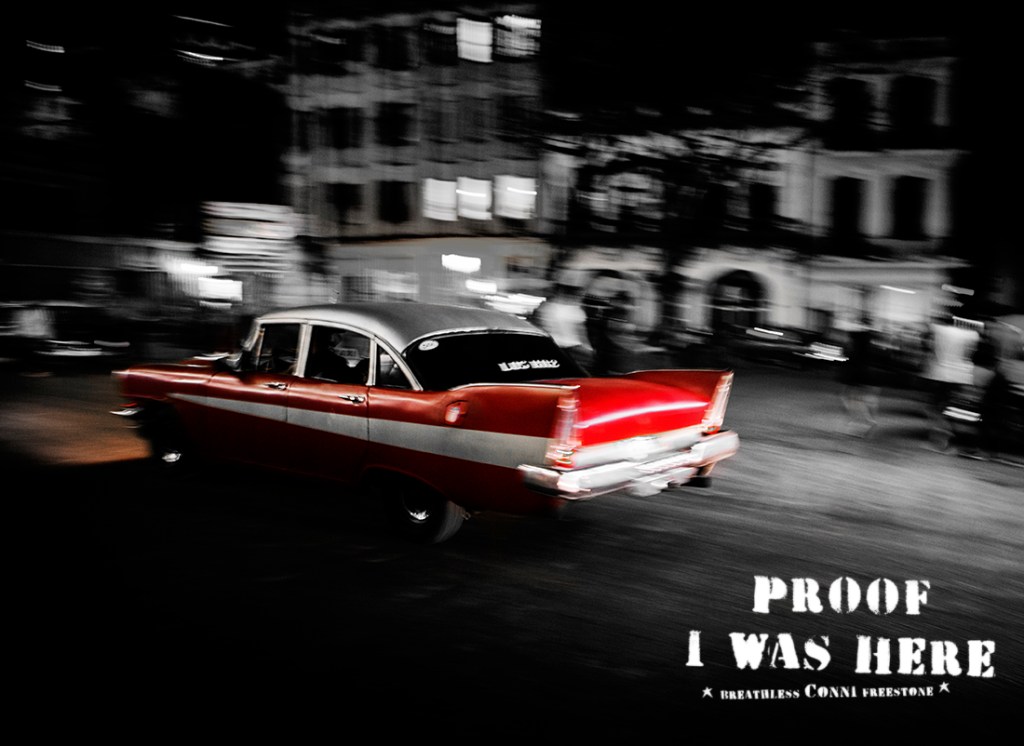
With the exhibition having now closed, Freestone hopes her work encourages viewers to pause and take a closer look at the world around them.
“I want people to appreciate what’s in front of them. I was just saying the other day that once your brain understands what something is, it no longer has to process it,” she said. “For example, you’ll walk past a tulip and think, ‘Oh, it’s a tulip,’ and you won’t look any closer because your brain already knows what it is.”
“I hope this exhibition [and my work] encourages people to look a little deeper at things, but also to realize that those things won’t always be there. It’s about trying to find different ways of remembering,” she concluded.
Images taken by and courtesy of Conni Freestone | Interviewed on April 29, 2026

Leave a comment