
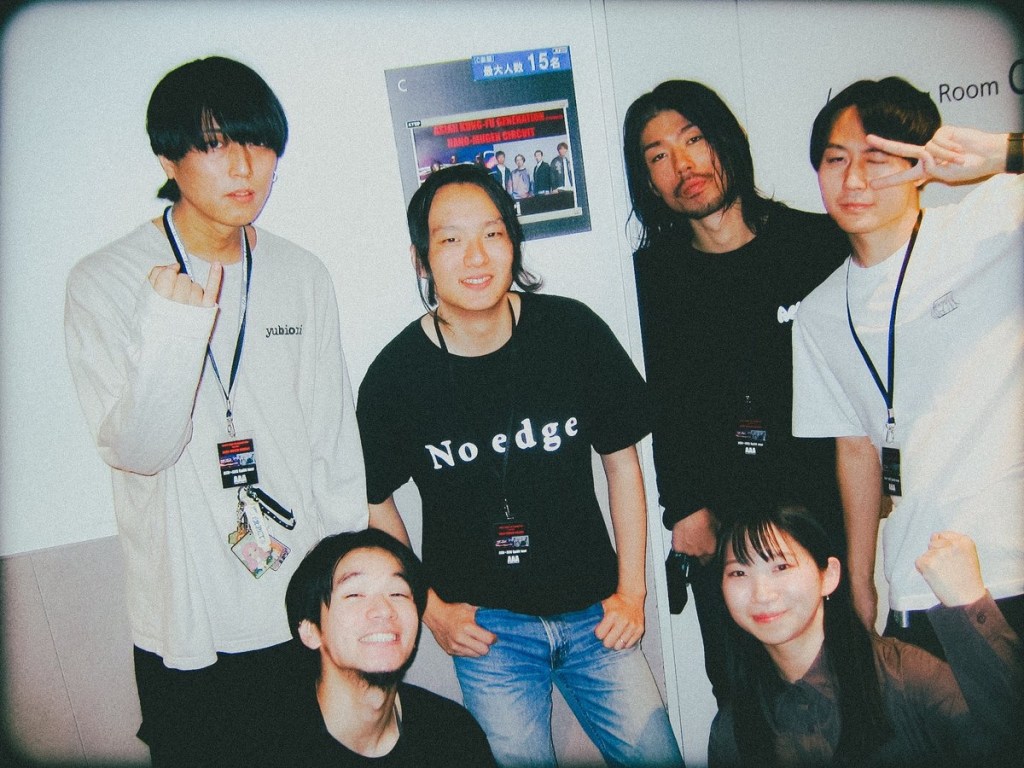
Yubiori2 is an extension of everything Japanese rock band Yubiori delivered on their debut album yubiori, only bigger. The music is louder, the horns are in your face, and lead singer Yoshiaki Tamura has made it a point to make sure his voice is front and center within the mix. As strange as it may seem, the band has continued to establish themselves as a midwest emo band without actually coming out of the midwest, but rather a different continent altogether.
Unlike in their first album, Yubiori discards many of the post punk-esque hooks in yubiori2 and adapts a rougher style of song structure. The intro song, “Maxとき” is the closest we get to reaching the brighter aesthetics of the debut, while still leaning into the directionless angst that the new album presents. In some ways, the powerful riffs might convince audiences that this is still the same band, but the shift in sound becomes clear from Rinpei Asami’s elevated guitar playing.
The grit on this album is much more noticeable than what we were given before, as many of Yubiori’s earliest songs have this indescribable brightness that just didn’t fit with Tamura’s yelping vocals. The best example of this comes from “swan,” a song the band released in 2022. If you compare “swan” to any of the band’s current material, then it really is just night and day.
The song “deep blue” is another stellar standout for its insane guitar progression, as well as some of the vocals on the back end. While it isn’t the clearest in terms of progression, it does feature some amazing bits of emotion that make you feel like the band just put their all into it. Again, the post-punk influences being substituted here for elements of 90s midwest emo and noise rock really complement the band well.
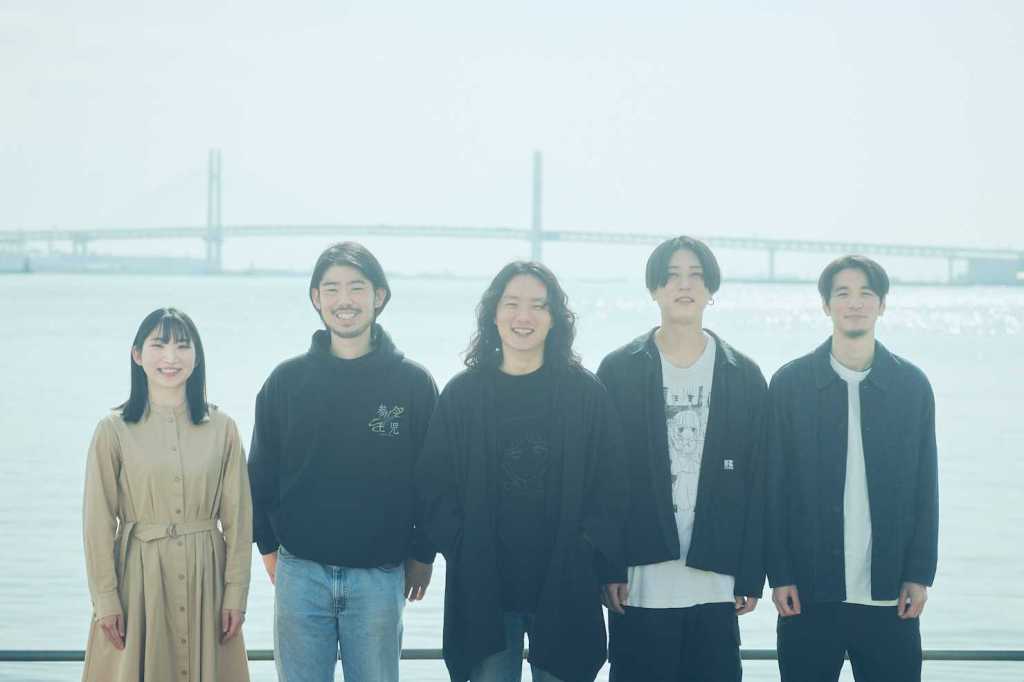
“二等寝台” is a great song because it’s actually one of the moments where the band outshines Tamura on the mic. With many of these midwest emo acts, I think it’s common for the band to outperform the singer and for each instrumentalist to take the song in a different direction. On yubiori2, the vocals throughout the album are actually quite good, and as a result of that, we don’t get too many moments where we’re able to point out individual performances from bass player Haruki Tojyo or drummer Shigeyuki Nakano. This isn’t to say they perform badly, but the vocals really are that stand-out to where everyone else just complements them well.
On the topic of band members, Rina Ohno is the trumpet player for Yubiori, and it should be mentioned that she was not present for the first album. Her contributions to the album add a lot of character — especially on the song “終わらない,” where her playing in the latter half of the track is easily the best part. I wish she was more present on the album, and I think they might have messed with her volume at some parts, but having added horns is still a nice touch.
One thing with this album that I struggled with was some of the slower songs, as I felt that they weren’t as well-fleshed-out as those in their previous albums. Seeing as Tamura was really allowed to breathe and express himself on this album, many of the slower songs felt like retreads of where the band had already gone. By the time we make it to “rundown,” the best parts of that song are mainly because of the band, and we’re just getting a rerun of what we’re already listened to.
Again, this album feels like a logical progression to where Yubiori should have gone after their debut. Maybe it doesn’t have as many experiments as I would have liked, but the addition of an entirely new member, as well as quality performances from every member of the band, make this a hard album to dislike. Here’s to hoping that yubiori3 has yet another new instrument.
Rating:
Images taken from Yubiori and X @yubiori1

Leave a comment