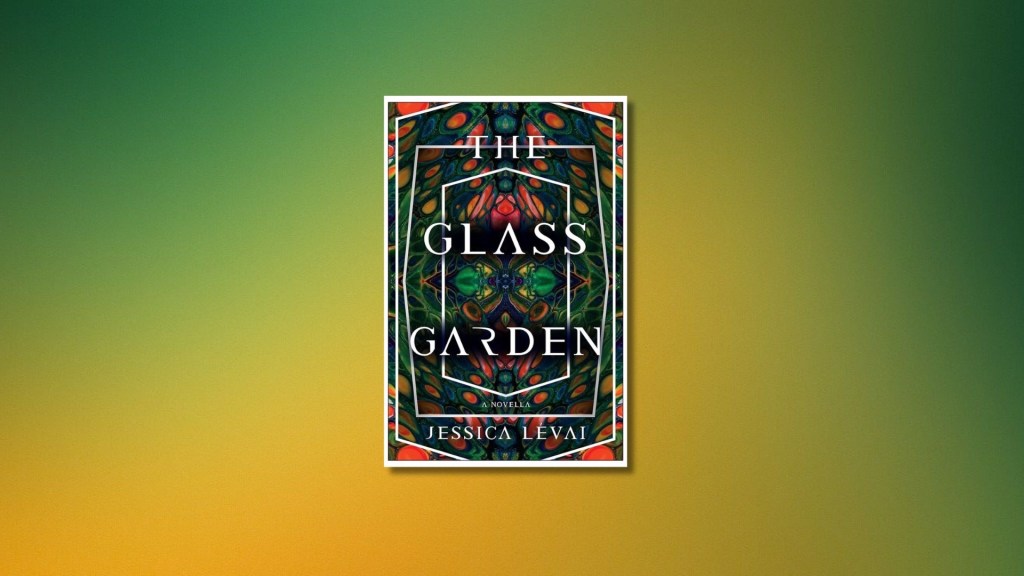
Science Fiction is a difficult genre to pull off, what with its expansive world building, intense social critique, and unique concepts which make the stories feel new time and time again. Like many readers, I enjoy when an author is able to transcribe their opinions and experiences into a fresh take and have that new world dissected by millions of creatives around the world.
Unfortunately, I’m only halfway sold on this newest attempt by upcoming author, Jessica Lévai.
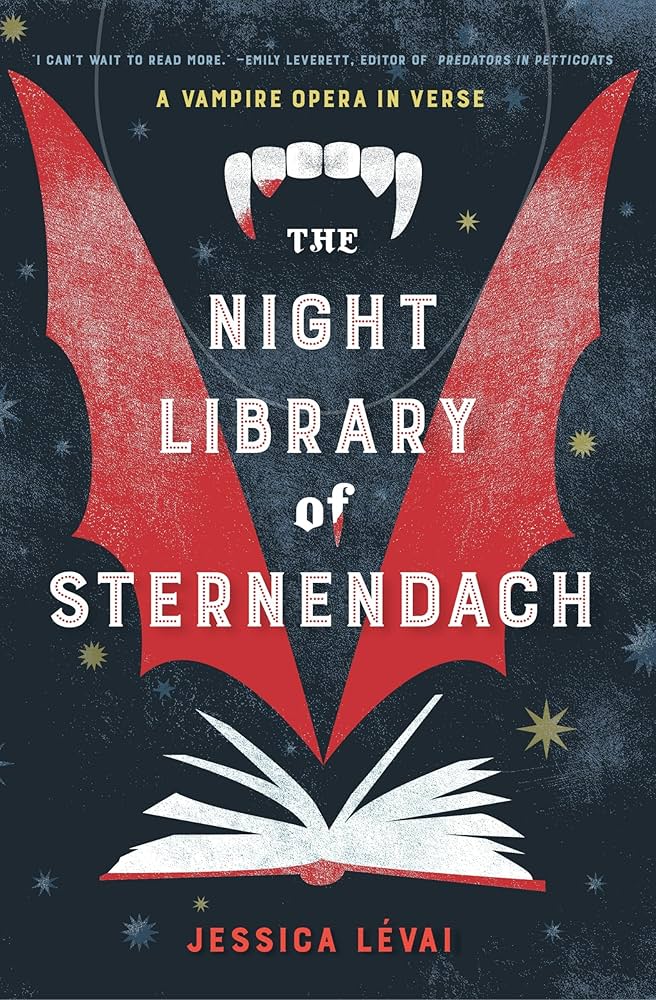
The Glass Garden acts as the follow-up to Lévai’s 2021 novella, The Night Library of Sternendach, which received a 3.75 average on Goodreads. If you read the reviews, many praise the story for having stellar verse and exceedingly well written prose. I myself have not read the book, but just reading the synopsis, the tone is far more drenched in fantasy as opposed to science fiction or existential adventure. Even the title exudes nostalgia, whereas The Glass Garden feels purposely modern.
This isn’t to draw a comparison between the writing, but I should mention my expectations going into this novella were slightly shifted based on what appears to be public opinion. The writing in this book is drastically contemporary, and if there were any attempts at prose here, I was unable to find them. That isn’t to call this story bad, but I was unable to find myself connecting with this novella in the same way one might with romantic or classic literature.
But all things considered, that isn’t a bad thing since from the get go; this story is clearly going for a casual, laid back style. The plot of this novella feels like something audiences have seen tens of times, only this time it’s being whisked with a bit of sibling angst – something that theoretically could work if done under heavier pretenses, because this novella has a difficult time balancing its realism and its whimsy.
The plot of this story is as follows: voyagers/sisters Lissy and Theresa take their space crew to an unknown exoplanet in order to make potential discoveries. Lissy wants to see if there’s potential life or resources for exploitation, and Theresa wants to publish her findings since she’s an archeologist – she’ll be jobless if she finds nothing. The two explore the planet for most of the book before finding these plants which paralyze and control people in one of the caves, and then one by one, the crew dies.
There’s more to the book, but that’s the gist of the story without spoiling all of it. The first person who gets taken over by plants – Carver – is in a relationship with the younger of the two sisters, but everything ultimately goes back to the girls: Theresa and Lissy.
To get into some of the positives, I really enjoyed how trim the novella was, since many authors would have tried to stretch this concept out to 300 pages when it wasn’t necessary. That sounds like an insult – saying I like how there was less of the book – but I genuinely loved how to the point everything was. I still get flashbacks from reading both The Odyssey and A Little Life and being at the 400 page mark for both only to realize that I still had more to get through.
So, I liked how easy to read the story was. The dialogue was passable, although I think a better writer could have brought some emotion out of the characters. There’s one scene where the sisters are arguing about their career paths, and I really wanted to get invested, but I just felt like maybe they should have talked more since the subject was clearly serious. To be clear, I don’t mean the conversation should have been longer – although that is what I’m saying – but rather, I would have liked to see the actual exchanges contain longer strands of dialogue.
When people talk, they tend to go on for a long amount of time, and it would have been nice to see a book that’s going for that realistic style of dialogue actually attempt something like that. Other than that, though, the characters serve their roles fine. They definitely felt more like plot devices to me, and it would have helped the story to gain some insight as to what was happening before the mission, but what we got was okay.
The cons weren’t egregious; the novella could have just used more time in the oven. When I think of my favorite sci-fi stories, I think of situations that feel so far out of what we would experience, yet I’m able to connect to them because of the writer’s talent. I just didn’t get that with The Glass Garden because certain exchanges were either too on the nose, or too unclear.
I still don’t understand the garden, nor do I think it served the story in an interesting or meaningful way. I enjoyed the dichotomy between Theresa and Lissy, but I wanted to see more. The other side characters felt too thin to get the time that they did, and it ended up hurting the novella – especially when the emotional climax is partially dedicated to their transformation into plants.
Overall, this was a fun read, but I found myself wanting more than what I was given. On one hand, I like the length, since I got value out of the sparse number of pages presented, but this also could have been done better with the same amount of pages. Maybe try an even smaller scale project next time? I’ll read that.
Images taken from Amazon

Leave a comment